


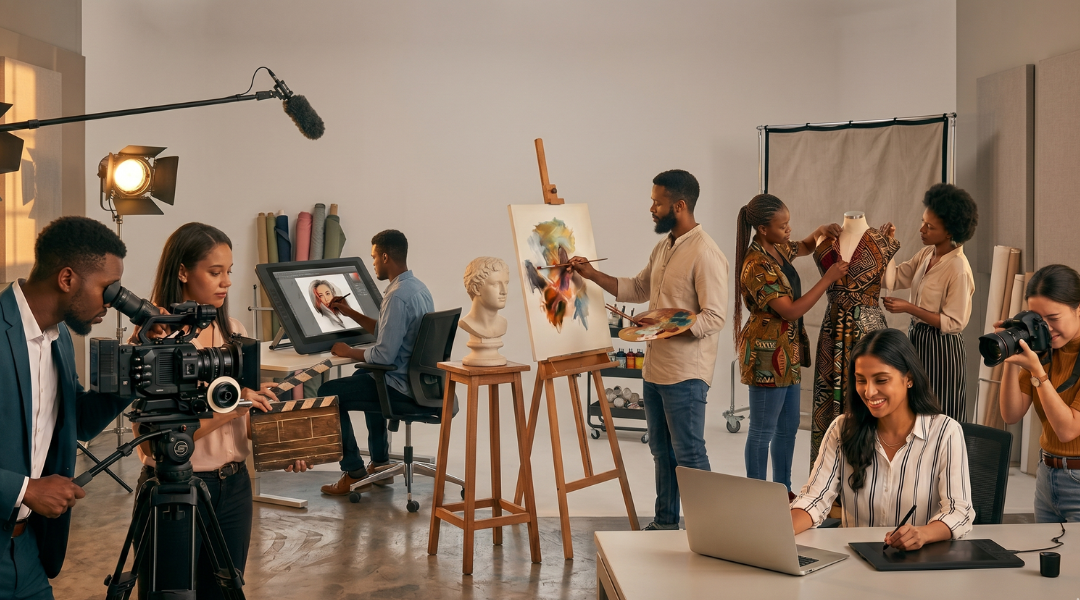
South Africa has quietly become one of the most exciting places on the continent to study creative disciplines, and the demand for quality arts schools in South Africa keeps climbing year after year. From Johannesburg's animation studios to Cape Town's film sets, graduates are shaping local and global culture. In this 2026 guide, we walk you through the top programs, what they cost, what you'll actually study, and the careers waiting on the other side of graduation.
Key Takeaways
- South Africa's art schools in South Africa offer world-class creative training at significantly lower costs than the UK, US, or Australia, with direct industry access to studios servicing Netflix, Disney, and BBC productions.
- Top accredited institutions like Oakfields College, Michaelis School of Fine Art (UCT), AFDA, and The Open Window specialise in in-demand programs including 3D animation, film production, fashion design, and graphic design.
- Tuition ranges from R55,000 to R95,000 annually for private creative colleges, with funding available through college bursaries, NSFAS, student loans, and industry-sponsored scholarships.
- International applicants need a SAQA-evaluated high school certificate and valid study visa, with applications opening mid-year - apply by September or October to secure January intake spots at popular programs.
- Graduates pursue diverse creative careers as animators, filmmakers, fashion designers, photographers, and freelance entrepreneurs, leveraging the country's growing 1.7% creative economy contribution and strong networking opportunities within studios and agencies.
Why South Africa Is a Rising Hub for Art and Design Education
South Africa sits at a creative crossroads. Our film and animation sectors regularly service international clients (think Netflix, Disney, and BBC productions), while local fashion weeks in Cape Town and Joburg have grown into respected showcases on the African continent.
A few things make us stand out:
- Affordability: Tuition at South African arts schools is significantly lower than equivalent programs in the UK, US, or Australia.
- Cultural diversity: Eleven official languages and a rich heritage feed into genuinely original creative work.
- Industry access: Cities like Cape Town, Johannesburg, and Durban are home to working studios, agencies, and production houses that hire graduates straight out of college.
For international students, the favourable exchange rate makes a world-class creative education surprisingly accessible.
Top Art Colleges in South Africa Worth Considering
When ranking art colleges in South Africa, we look at industry reputation, accreditation, graduate outcomes, and the quality of facilities. A few institutions consistently lead the conversation:
- Oakfields College – Known for industry-aligned, full-time creative qualifications in animation, film, fashion, and acting.
- Michaelis School of Fine Art (UCT) – South Africa's oldest fine art school, with a strong academic reputation.
- AFDA – A respected name in film, TV, and performance.
- Stellenbosch University Visual Arts – Strong in fine art and illustration.
- The Open Window – Popular for design, animation, and visual storytelling.
Each has its own personality. The right pick depends on whether you lean towards fine art, applied design, or performance.
Popular Art and Design Courses Offered
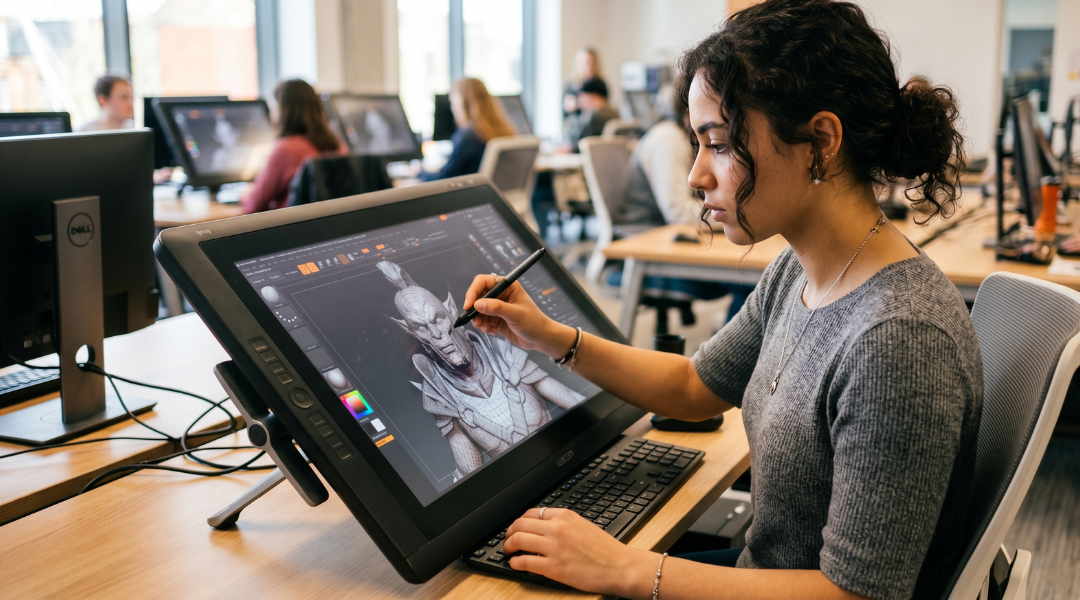
The range of art and design courses available in South Africa has expanded sharply over the past decade. Most full-time qualifications run two to three years and combine theory with heavy practical output for portfolios.
In-demand programs include:
- Full-Time 3D Animation Course – feeding the booming local and international animation pipeline.
- Drama Course – training actors for stage, film, and streaming productions.
- Fashion Design – from pattern-making to runway-ready collections.
- TV & Film Production – directing, editing, cinematography.
- Graphic Design – branding, digital design, and visual communication.
- Make-Up and Special Effects – for film, TV, and editorial work.
- Photography – commercial, fashion, and documentary specialisations.
- Sound Engineering – music production and post-production audio.
- Marketing Management – often paired with creative qualifications for freelance careers.
Admission Requirements and Application Process
Entry requirements vary, but most accredited art colleges in South Africa expect:
- A National Senior Certificate (matric) with a Diploma or Bachelor's pass, depending on the qualification level.
- A minimum English language proficiency (usually 50%+).
- A portfolio of creative work for design, fine art, and animation streams.
- An audition or interview for performance-based courses like acting.
International applicants typically need a SAQA evaluation of their high school certificate plus a valid study visa. Applications open mid-year, and popular intakes for January fill up fast, so we always recommend applying by September or October of the previous year.
Tuition Fees, Scholarships, and Funding Options
Tuition at private creative colleges generally ranges from R55,000 to R95,000 per year, while public university art faculties can sit slightly lower for South African citizens. Specialised programs (animation, sound, film) tend to cost more because of equipment-heavy training.
Funding routes worth exploring:
- Bursaries offered directly by colleges for top portfolio applicants.
- NSFAS (for qualifying students at public institutions).
- Student loans through Fundi, Standard Bank, or Nedbank.
- Payment plans – most private colleges allow monthly instalments.
- Industry-sponsored scholarships in fields like animation and film.
Budget for additional costs too: laptops, cameras, fabric, software subscriptions, and printing can add R10,000–R25,000 a year.
Career Paths and Industry Opportunities After Graduation
Graduates from South African arts schools land roles across a surprisingly broad spectrum. The creative economy contributes roughly 1.7% of South Africa's GDP, and demand for skilled creatives is growing in adjacent fields like UX, gaming, and content marketing.
Typical career paths include:
- Animation & VFX artist at studios servicing global streamers.
- Film/TV crew roles – editor, DOP, sound designer, production assistant.
- Fashion designer, stylist, or merchandiser for local and export brands.
- Graphic designer or art director at agencies and in-house teams.
- Photographer in commercial, wedding, or editorial niches.
- Actor, voice artist, or theatre practitioner.
- Freelance creative entrepreneur – many grads build studios of their own within a few years.
Networking during your studies (internships, festivals, industry days) often matters as much as your final grade.
How to Choose the Right Arts School for Your Goals
Picking the right college isn't just about prestige. We suggest weighing these factors:
- Accreditation – check that the qualification is registered with SAQA and the QCTO or CHE.
- Industry connections – does the school place students in internships and showcase work to employers?
- Facilities – studios, cameras, software, sound booths, and sewing rooms matter for skill-building.
- Class size – smaller cohorts usually mean more lecturer attention.
- Graduate portfolios – ask to see recent student work and where alumni are now.
- Location – Joburg suits film, animation, and advertising: Cape Town leans strongly into film and fashion.
Visit campuses if you can. Open days reveal a lot that a website never will.
Final Thoughts
Choosing where to study is a big decision, but South Africa offers genuine value, world-class training, and a creative culture that punches well above its weight. Whether you're drawn to animation, fashion, film, or fine art, the right arts school in South Africa can launch a career that travels far beyond our borders.
Frequently Asked Questions About Art Schools in South Africa
What are the top art schools in South Africa?
The leading art schools in South Africa include Oakfields College (animation, film, fashion), Michaelis School of Fine Art at UCT, AFDA (film and performance), Stellenbosch University Visual Arts, and The Open Window (design and animation). Each excels in specific creative disciplines and maintains strong industry connections.
How much does it cost to study art at South African art schools?
Tuition at private art colleges ranges from R55,000 to R95,000 annually, while public university programs are slightly lower for South African citizens. Specialized programs like animation cost more due to equipment needs. Budget an additional R10,000–R25,000 yearly for laptops, software, and materials.
What admission requirements do South African art schools have?
Most require a National Senior Certificate (matric) with Diploma or Bachelor's pass, minimum 50% English proficiency, and a portfolio for design/animation courses. Performance-based programs require auditions. International students need SAQA evaluation of high school credentials and a valid study visa.
Why study art in South Africa instead of other countries?
South African art schools offer world-class training at significantly lower costs than the UK, US, or Australia. The favourable exchange rate benefits international students, and the country's thriving film, animation, and design industries - servicing Netflix and Disney - provide direct graduate employment opportunities.
What are the most popular art and design courses offered in South Africa?
In-demand programs include 3D Animation, Drama, Fashion Design, TV & Film Production, Graphic Design, Make-Up and Special Effects, Photography, and Sound Engineering. Most full-time qualifications span two to three years, combining theory with practical portfolio development.
What career opportunities exist after graduating from an art school in South Africa?
Graduates pursue roles as animation/VFX artists, film and TV crew members, fashion designers, graphic designers, photographers, and actors. The creative economy is growing in adjacent fields like UX and gaming. Many establish freelance studios within years, while industry networking during studies often determines job placement success.


.png)